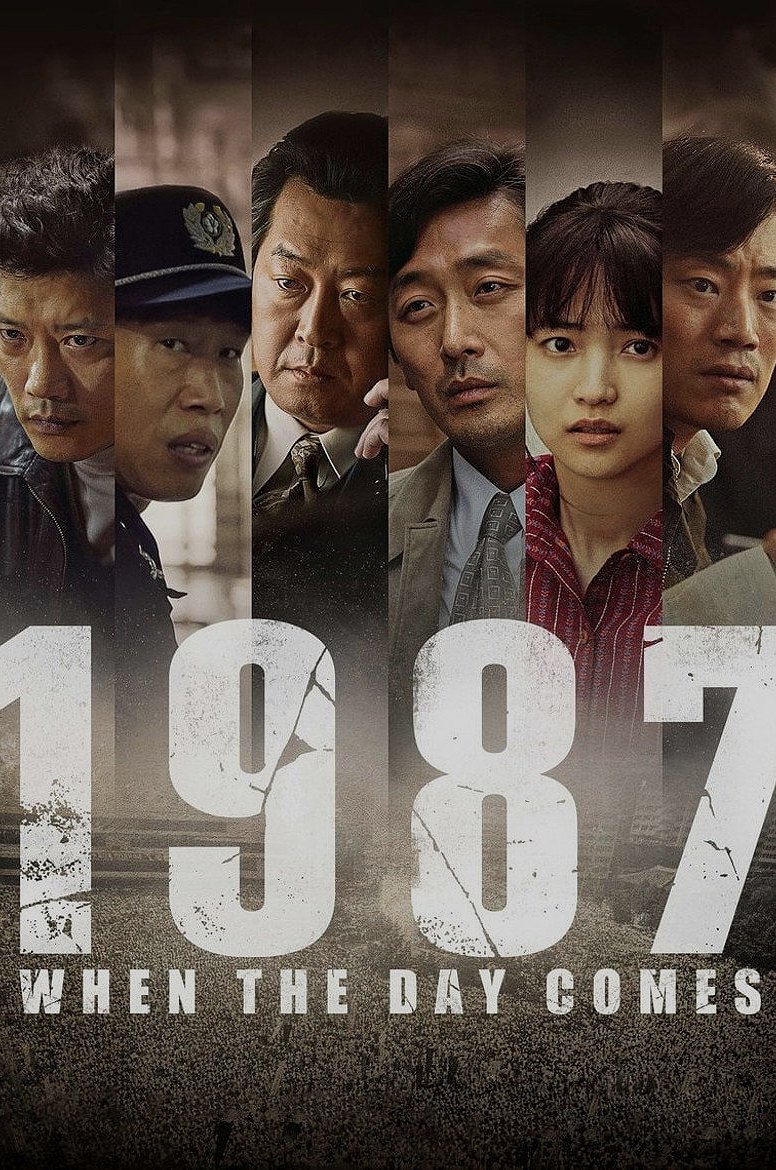
In 1987, South Korea was under a brutal military dictatorship. The death of a university student named Park Jong-chul during police interrogation became a turning point that mobilized the people to fight for truth and democracy. The film 1987 is not just a retelling of history; it reflects the power of individuals uniting against injustice. Here is our editorial review.
Plot Summary (No Spoilers)
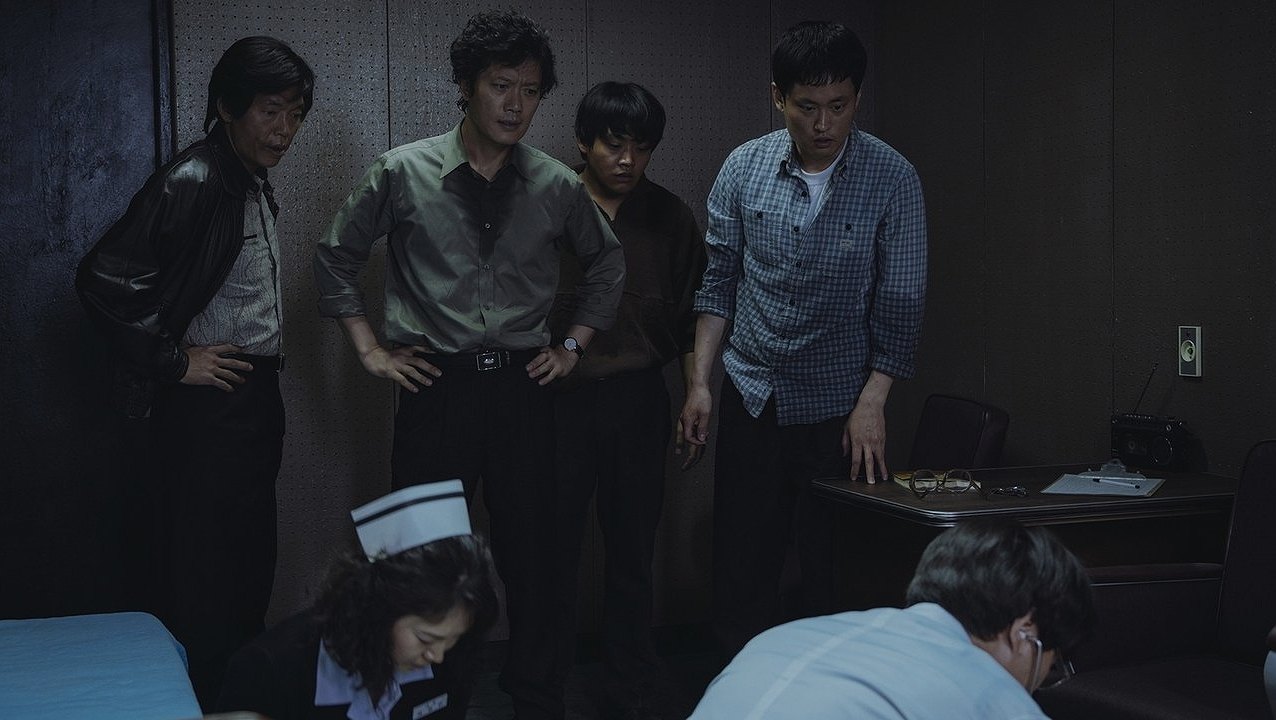
The film opens with the arrest and interrogation of student Park Jong-chul, who is tortured to death during police questioning. His body is taken for an autopsy, and a false report claims he died of a heart attack, but the examining doctor finds clear signs of torture. The story unfolds through the perspectives of several characters: a young prosecutor trying to uncover the truth, a journalist risking everything to publish the news, a political prisoner who witnesses the events, and activists rallying for justice. Each character plays a role in driving the events that lead to the June 1987 uprising.
Acting and Characters
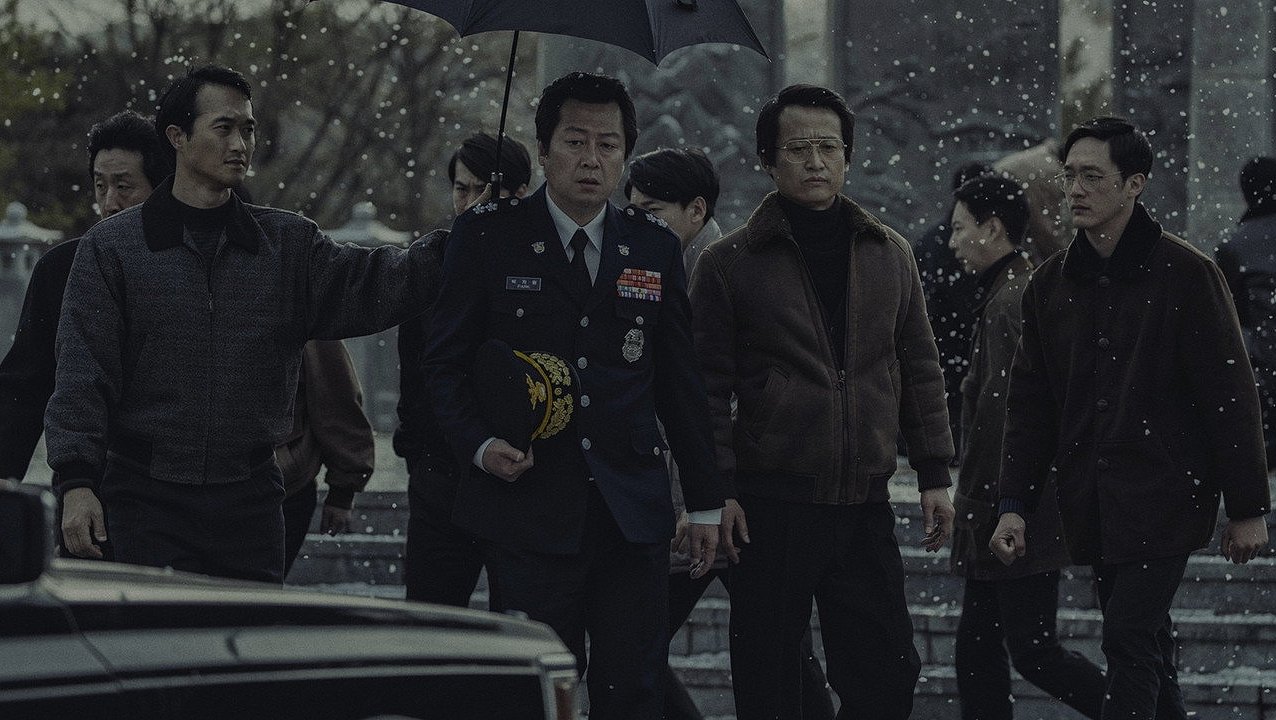
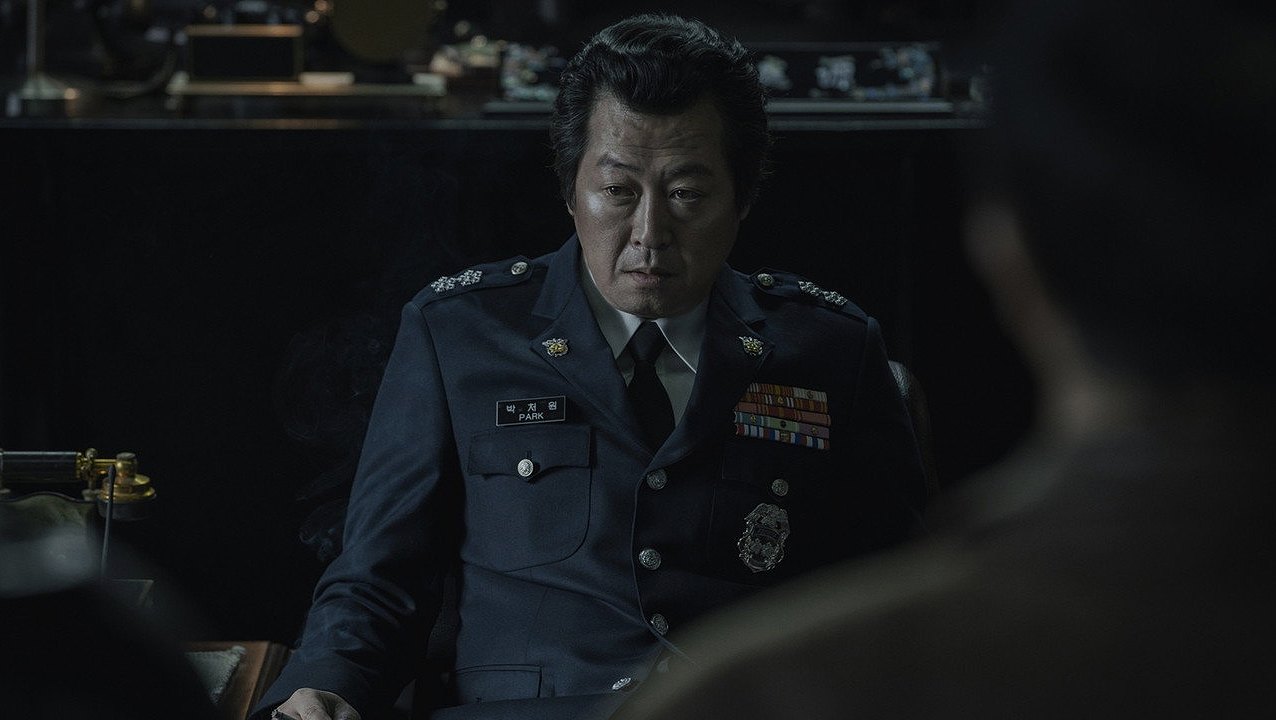
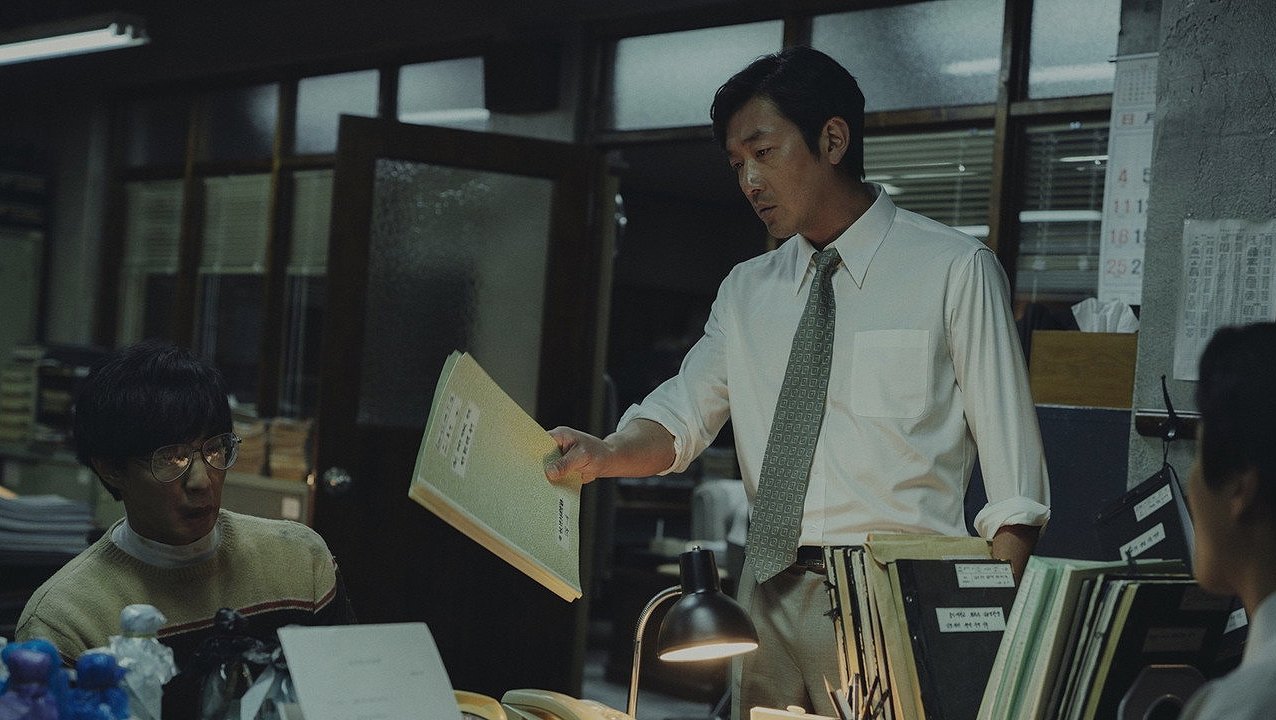
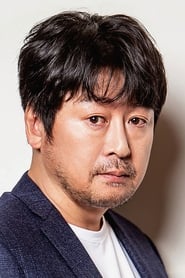
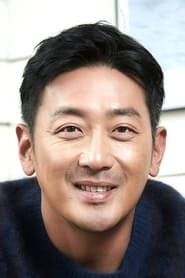
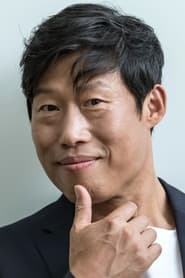
Kim Yun-seok plays Park Cheo-won, a police superintendent trying to cover up the truth, conveying chilling coldness and oppressive power. Meanwhile, Ha Jung-woo as prosecutor Choi Hwan represents someone who begins to question the system, showing deep internal conflict between duty and conscience. Kim Tae-ri as Yeon-hee, the deceased's girlfriend, powerfully portrays pain and courage; though her screen time is limited, every scene she appears in serves as a reminder of the voiceless victims. Additionally, Lee Hee-jun as a journalist risking his life to expose the truth is another standout character.
Direction, Cinematography, and Music
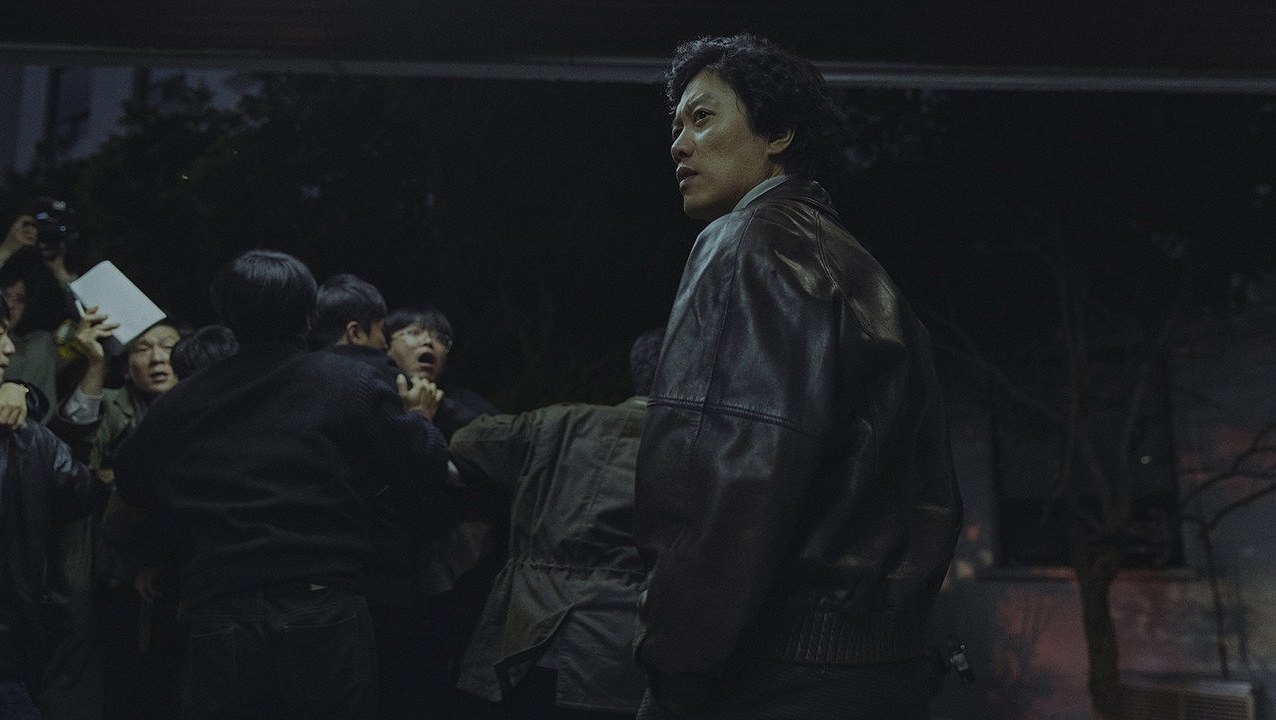
Director Jang Joon-hwan creates a tense and oppressive atmosphere from start to finish. He uses a multi-perspective storytelling technique that allows viewers to understand events from various angles. The cinematography excellently captures the darkness of the era, especially the interrogation scenes, which are portrayed realistically and heartbreakingly. The score by Dalpalan and Kim Min-tae subtly enhances the emotions, particularly in scenes where people gather to protest; the simple yet powerful music makes your heart race along.
Editorial Analysis
1987 is not just a historical film; it is a mirror reflecting society that remains relevant today. Although the events occurred over thirty years ago, issues of authoritarianism, suppression of truth, and people's struggle for democracy are still faced by many countries. The film does not point fingers at any single side but shows the complexity of humans working under an oppressive system. Some choose to obey, some resist, and some change their minds when they see injustice. What makes this film powerful is that it does not downplay the violence of the events but presents them straightforwardly, allowing viewers to absorb the pain and courage of the people of that era.
Verdict
<p><strong>1987</strong> is a powerful and must-watch film for those who love history and the fight for justice. Despite its length that may feel drawn out to some, with excellent performances, sharp direction, and moving content, this film deserves praise and is one of the best Korean films of 2017.</p>
Screenshots
👍 Pros
- +Outstanding performances from all actors, especially Kim Yun-seok and Ha Jung-woo
- +Intense screenplay that is easy to follow and delivers a clear message
- +Beautiful direction and cinematography that effectively create a tense atmosphere
👎 Cons
- −The 129-minute runtime may feel slightly stretched in the middle
- −Some characters have limited screen time, resulting in incomplete character development
Top Cast

FAQ
Yes, the film is based on real events in 1987 involving the death of university student Park Jong-chul during interrogation, which led to massive pro-democracy protests in South Korea.
The film has heavy and emotional content, especially scenes of torture and death, but it also intersperses hope and courage from the characters, making it not overly depressing.
It is suitable for those who enjoy historical, political, and intense dramas, as well as those interested in South Korean history.